The global apparel manufacturing landscape is undergoing a radical technological shift. As labor costs rise, order lead times shrink, and sustainability standards become stricter, garment factory owners and production managers must embrace advanced technology to remain competitive. Looking ahead into 2025 and 2026, high-efficiency garments machinery is no longer a luxury—it is a critical prerequisite for profitability and scale.
1. Direct-Drive and Fully Automated Sewing Technology
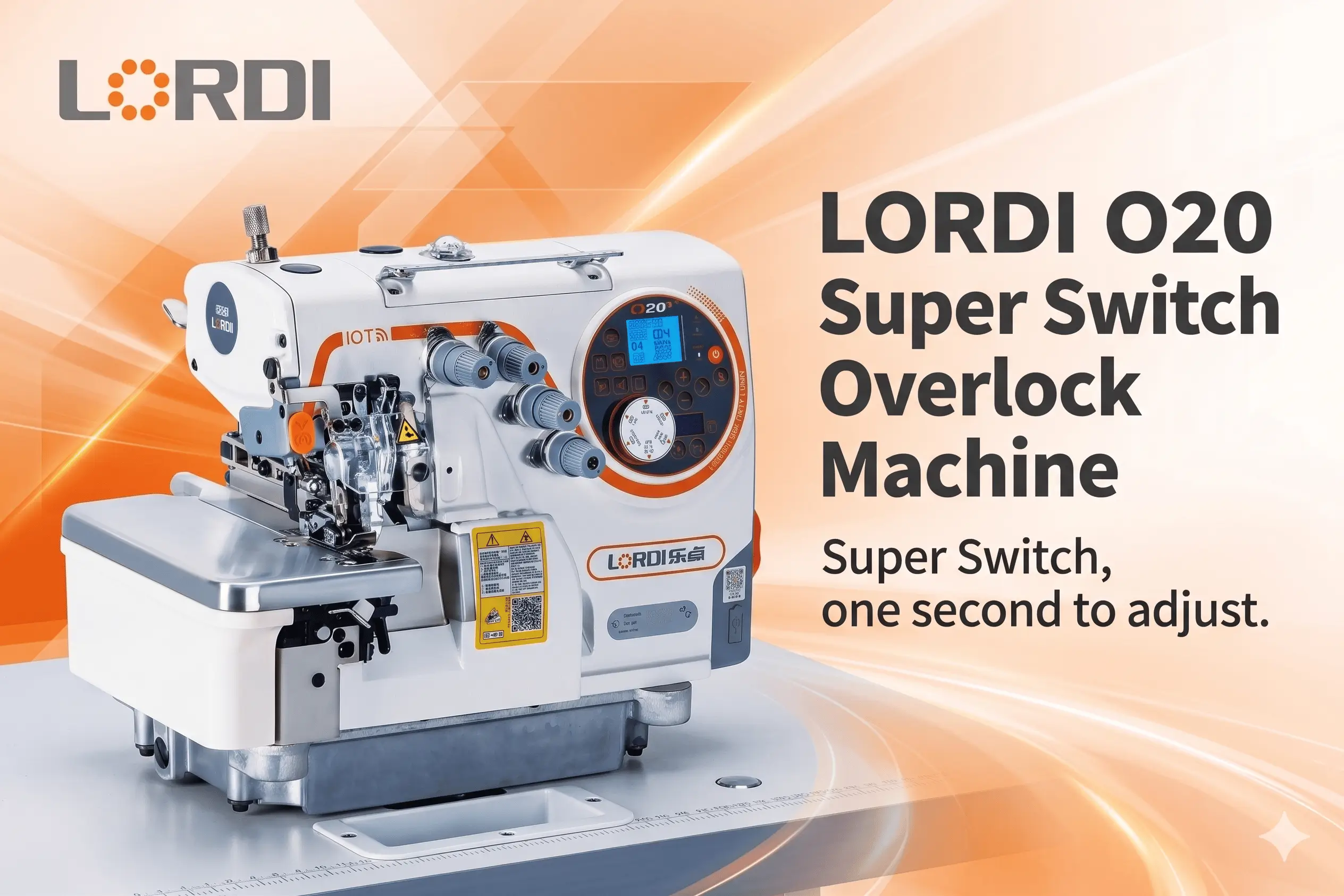
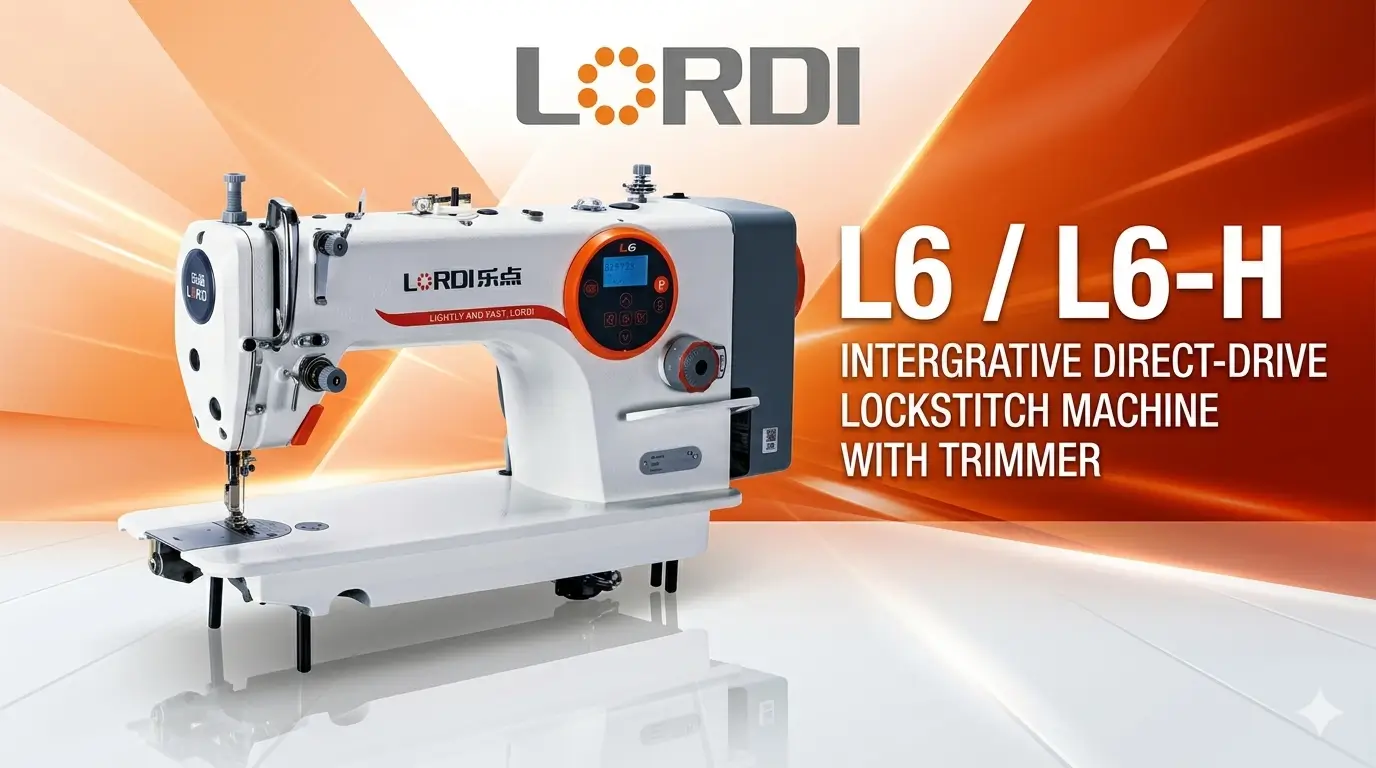
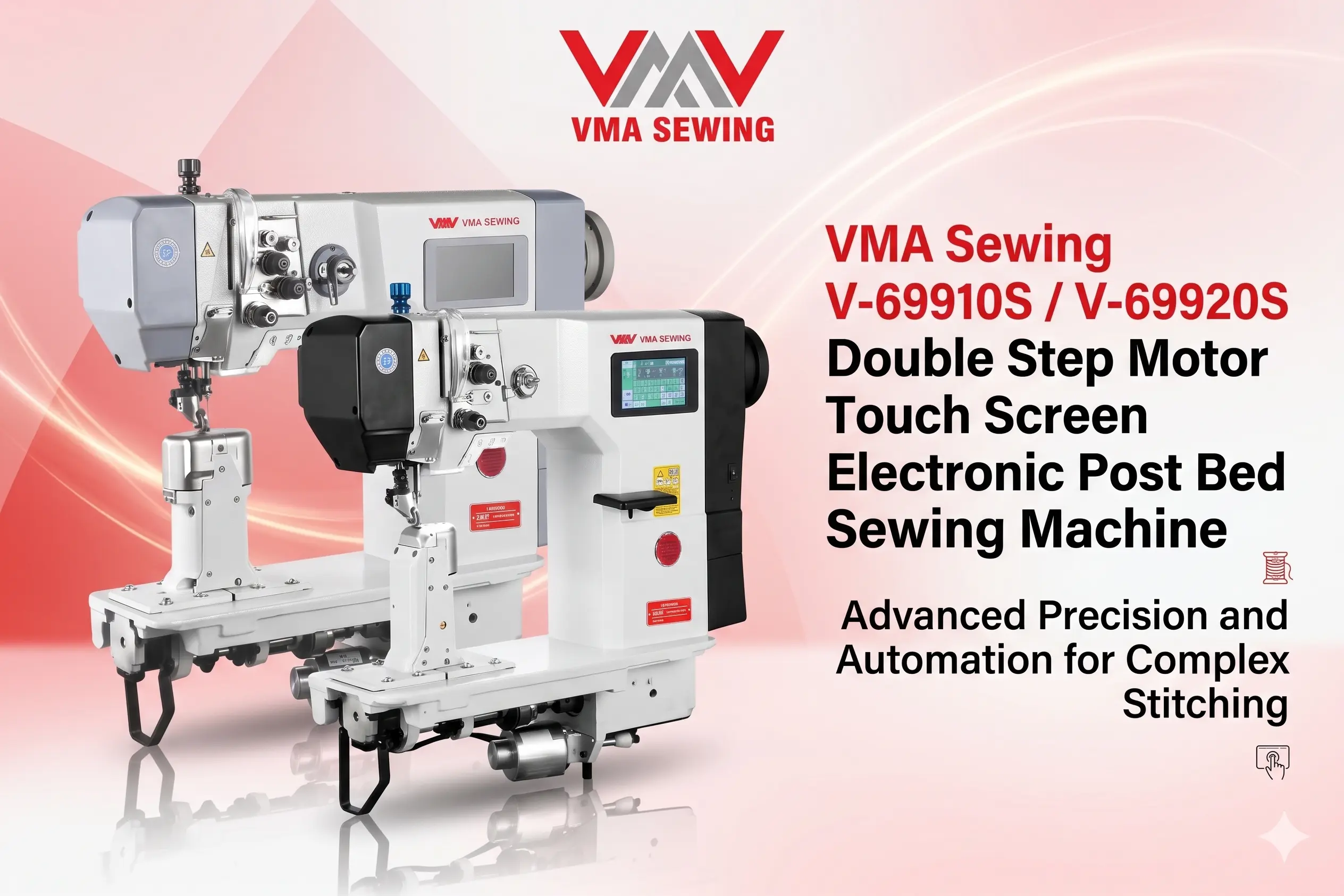
Traditional belt-driven sewing machines are rapidly being replaced by direct-drive servo motor systems. These modern units integrate the motor directly into the machine head, reducing energy consumption by up to 60-70% while drastically cutting down operational noise and vibration. Furthermore, fully automated sewing workstations—such as automatic pocket welters, pattern sewing machines, and computerized sleeve attachers—allow operators to complete complex stitching tasks with minimal human error and unmatched consistency.
2. AI-Powered Fabric Cutting and Defect Inspection
Material utilization directly dictates profitability in apparel manufacturing. The latest spreading and CNC cutting machines for 2025-2026 incorporate artificial intelligence and advanced optical sensors. These systems scan fabric rolls in real time, detecting micro-defects, shading variations, and structural distortions before cutting begins. AI-driven nesting software then calculates the most optimal layout, minimizing fabric wastage by up to 3 to 5 percent per lay.
3. IoT-Integrated Smart Factory Monitoring
Internet of Things (IoT) technology is converting standalone sewing machines into interconnected smart assets. By attaching smart data collectors to industrial sewing units, production managers can monitor real-time operator performance, machine downtime, stitch counts, and line balancing bottlenecks from a centralized dashboard. Predictive maintenance alerts notify technicians before a mechanical failure occurs, avoiding costly operational delays.
Key Benefits & Technical Specifications
- Energy Savings: Direct-drive servo motors lower power usage and generation costs.
- High Precision: Computerized stitch programming ensures uniform quality across large production runs.
- Reduced Waste: Automated cutting and AI defect detection optimize fabric yield.
- Downtime Reduction: Real-time IoT diagnostics enable proactive maintenance cycles.
Maintenance & Safety Best Practices for Modern Machinery
To maximize the lifespan and output of next-generation apparel machinery, factory management must enforce structured preventive maintenance procedures:
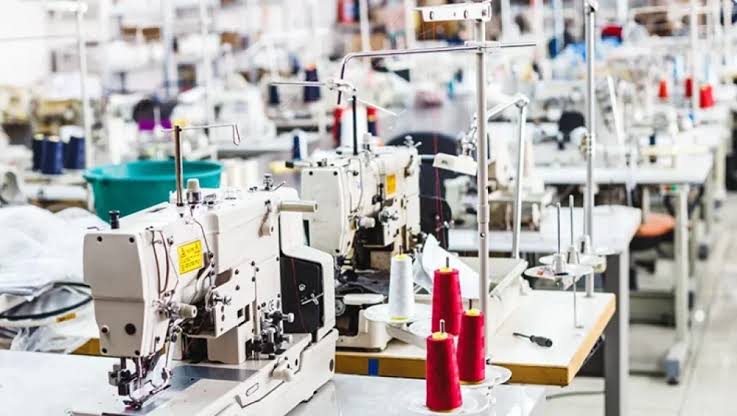
- Daily Cleaning & Oil Audits: Keep hook races, feed dogs, and tension mechanisms free of lint buildup. Ensure direct-drive lubrication systems maintain optimal oil purity.
- Scheduled Calibration: Regularly calibrate automated sensors, laser markers, and pneumatic pressure valves to maintain stitching accuracy.
- Operator Safety Protocols: Equip automated units with emergency stop sensors, needle guards, and eye shields to protect machine operators.
Conclusion: Upgrading to cutting-edge garment machinery is the most effective strategy to boost productivity, lower operational costs, and secure buyer trust in 2025 and 2026. Partner with RMB Trading Solution—Bangladesh's trusted supplier of premier industrial sewing machines, automated machinery, high-grade spare parts, and dedicated technical support—to transform your factory floor for the future.