Introduction
Bangladesh is one of the world's leading exporters of ready-made garments (RMG). To stay competitive, factory owners must invest in reliable and efficient machinery. Choosing the right industrial sewing machine can significantly impact your production speed, stitch quality, and overall profitability.
1. Understand Your Production Requirements
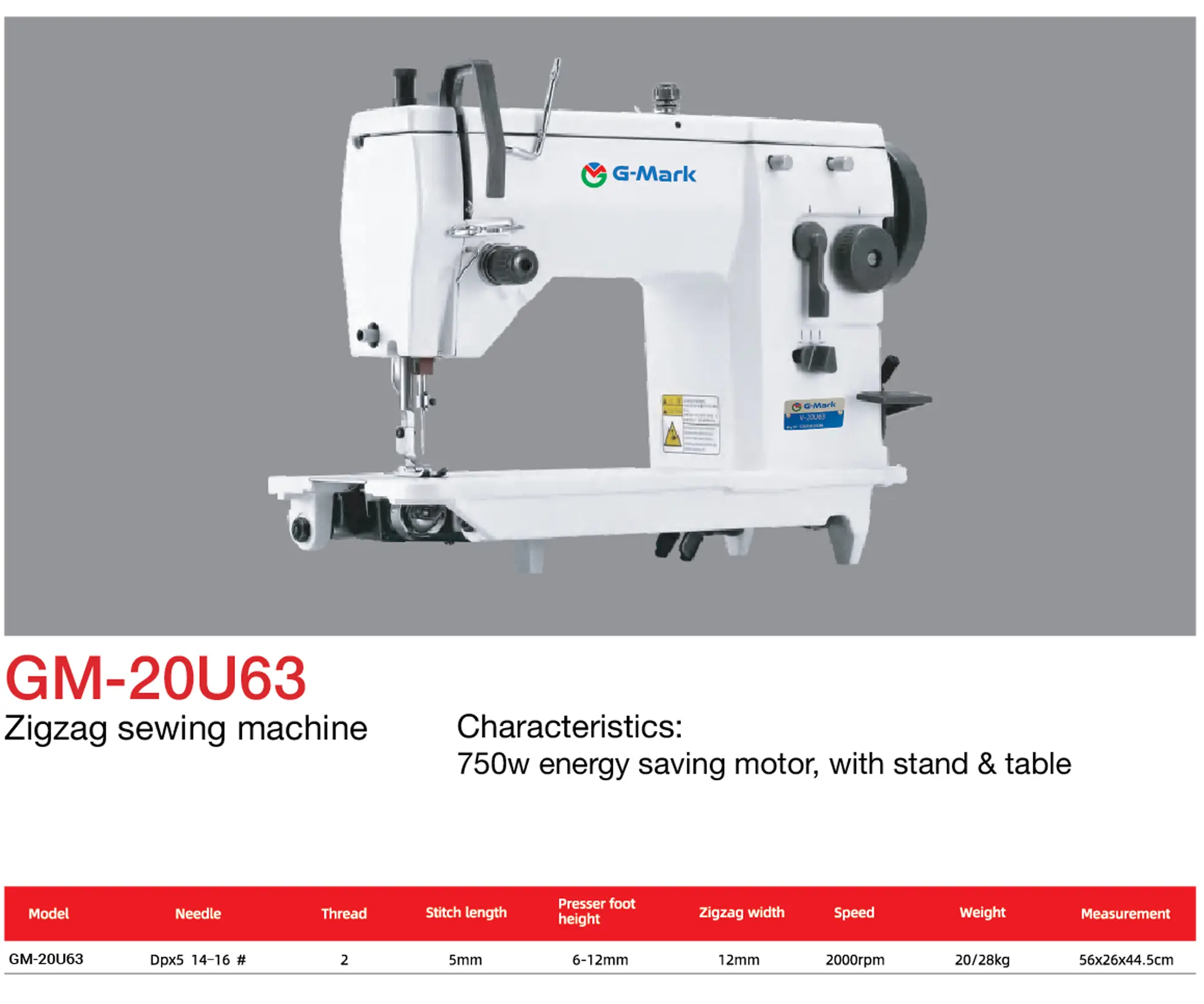
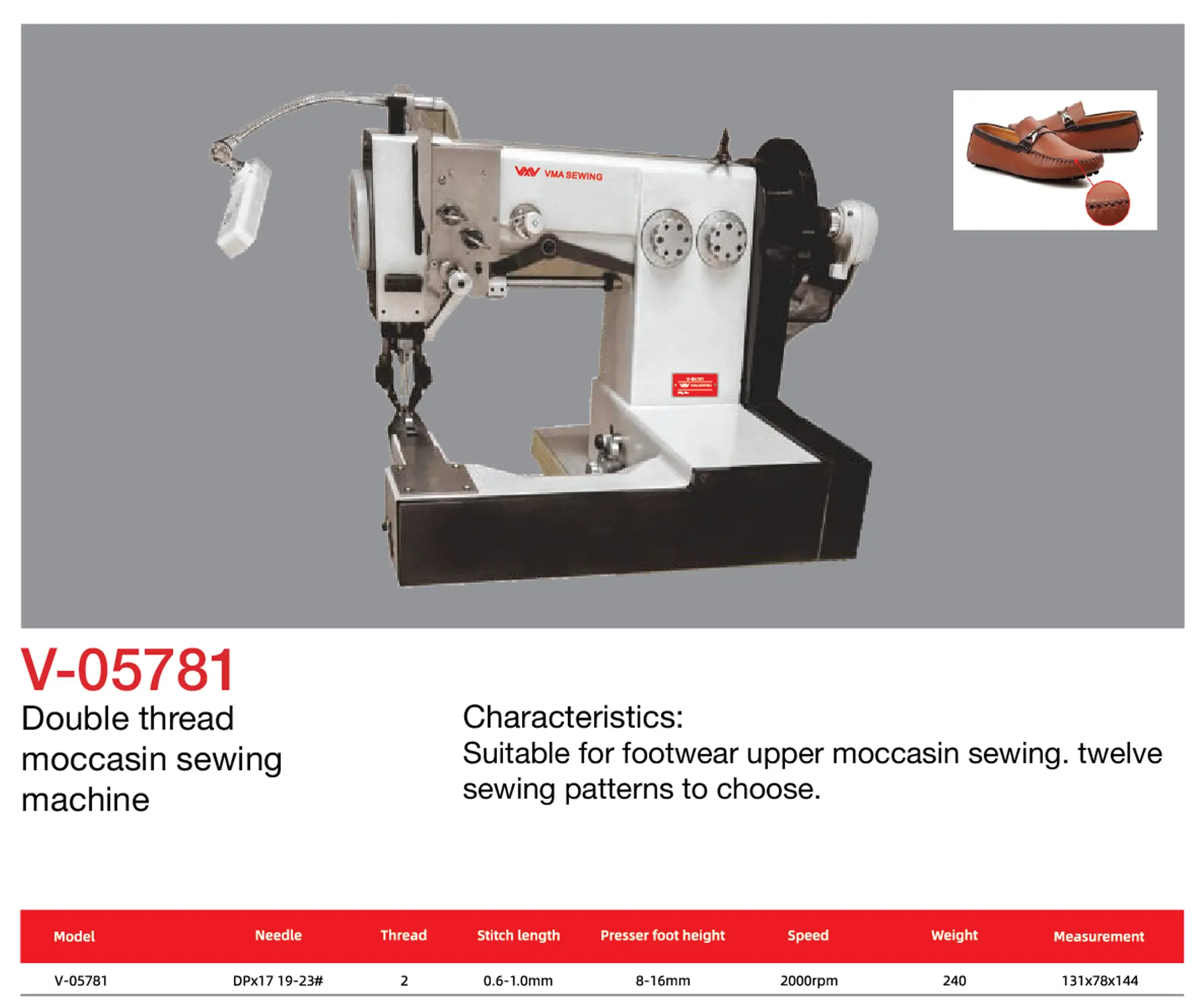
Before purchasing a machine, evaluate the type of fabric you work with. Are you stitching lightweight fabrics like silk and cotton, or heavy-duty materials like denim and leather? Different machines are built with specific feed mechanisms and motor powers to handle different fabric weights.
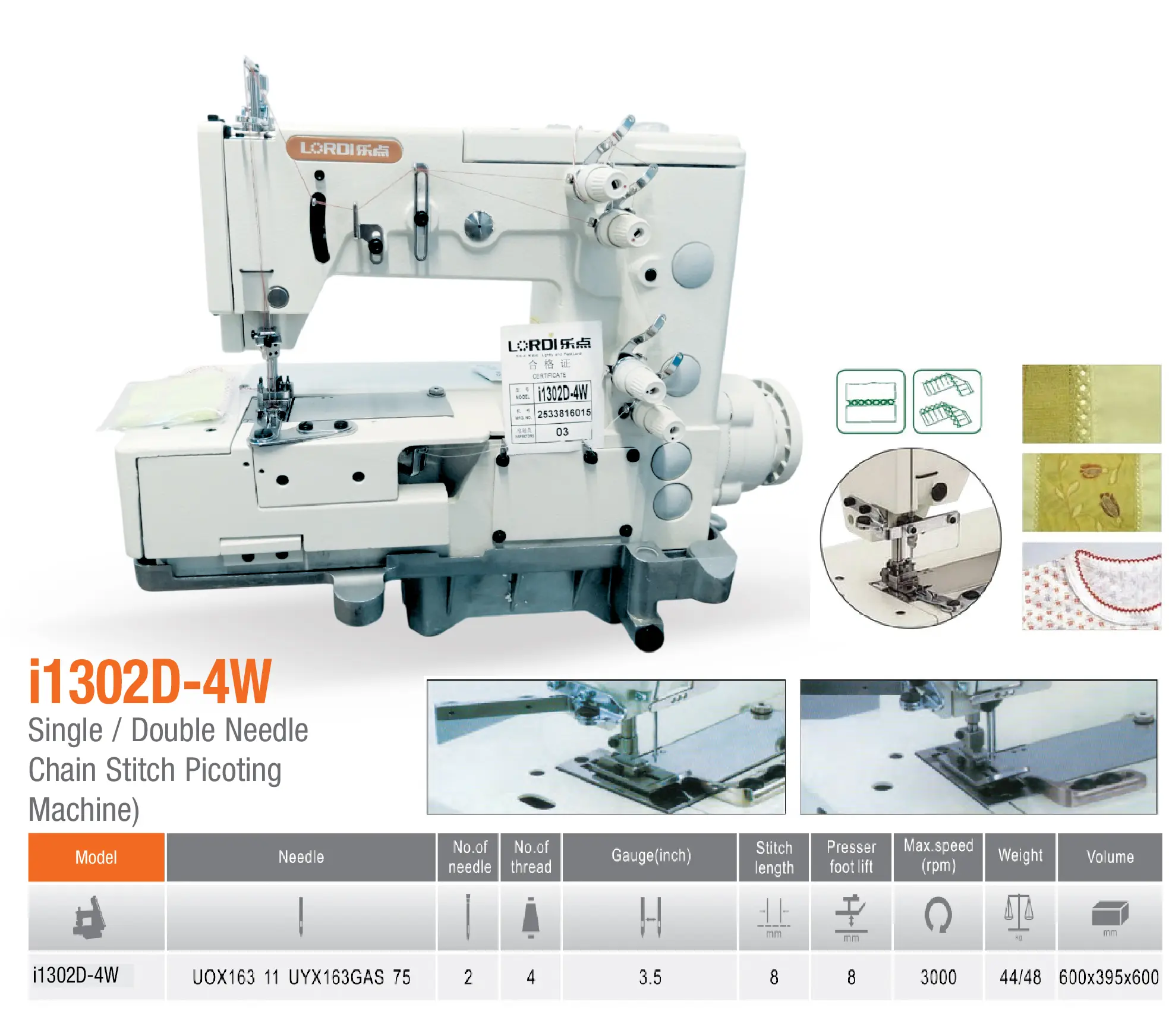
2. Choose the Right Machine Type
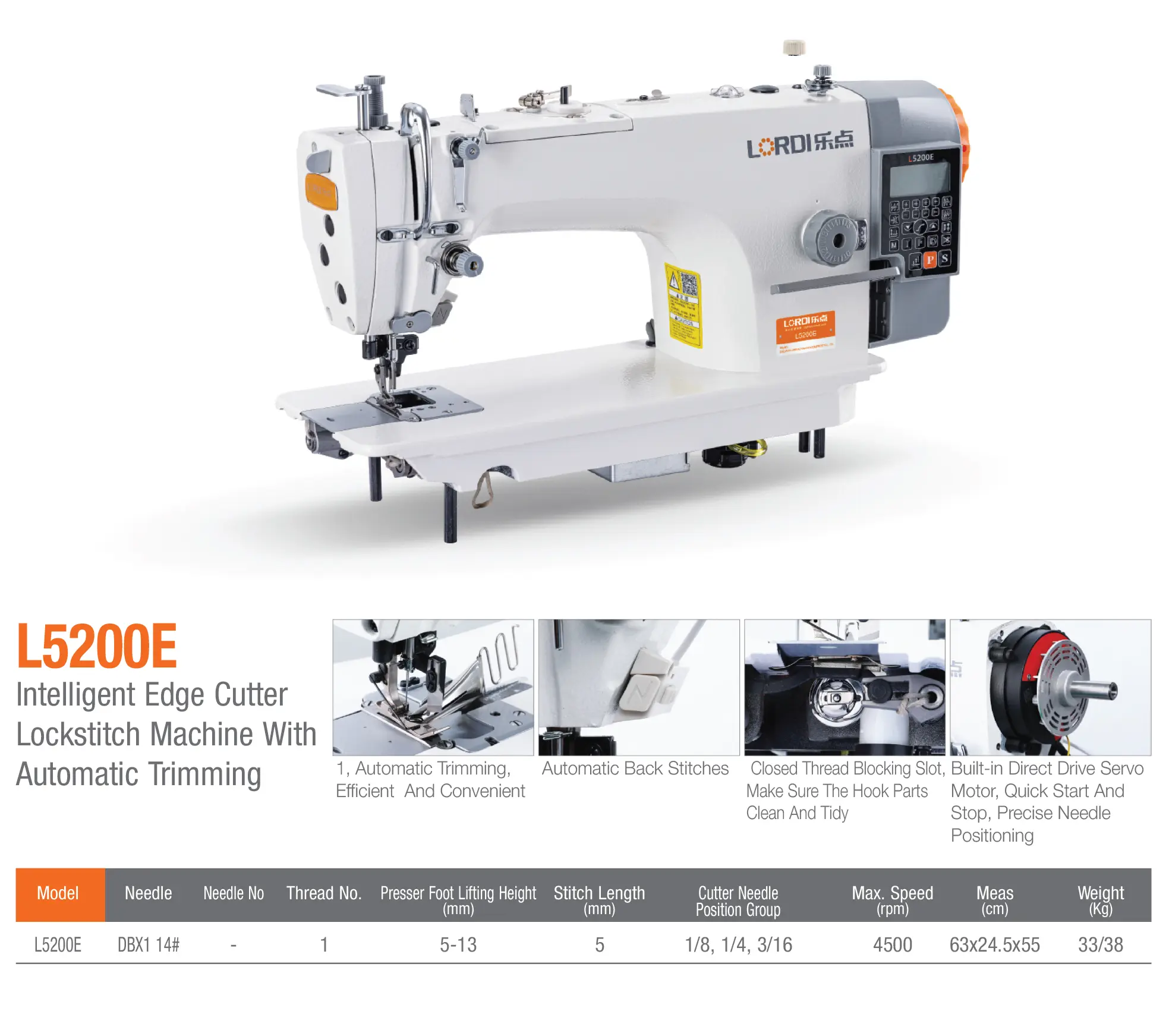
- Single Needle Lockstitch: The most common machine, perfect for general seaming and stitching.
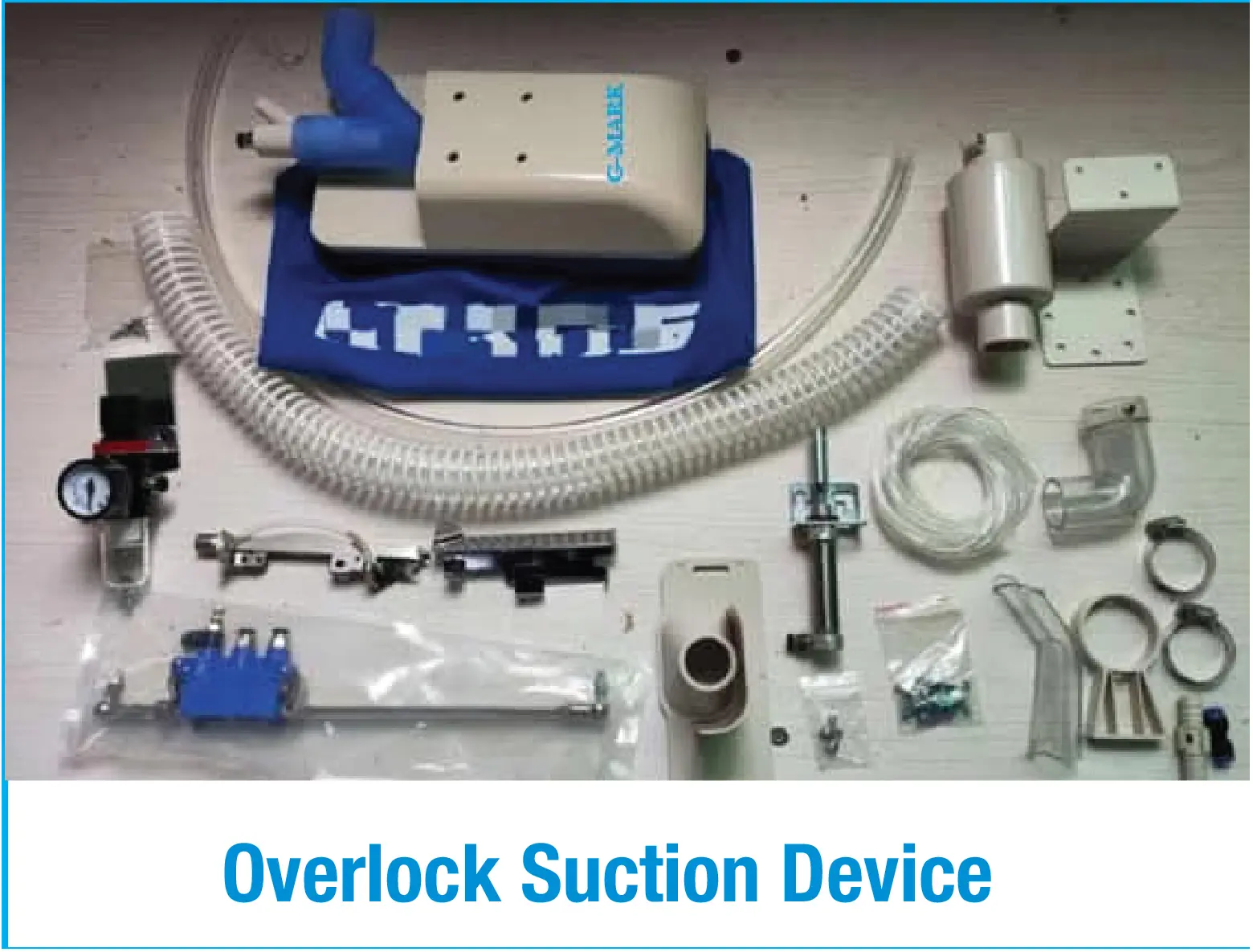
- Overlock Machines: Essential for edge seaming and preventing fabric from fraying.
- Flatlock Machines: Widely used for knitwear and sportswear to provide stretchable and durable seams.
3. Consider Energy Efficiency
Modern industrial sewing machines come with Direct Drive Servo Motors. Unlike traditional clutch motors, servo motors consume up to 70% less electricity, generate less heat, and are completely silent when the pedal is not pressed. This is a crucial factor for large factories looking to reduce overhead costs.
4. After-Sales Support and Spare Parts
A machine is only as good as the service behind it. Ensure your supplier provides prompt after-sales support and that spare parts are readily available in the local market. At RMB Trading Solution, we guarantee comprehensive service and genuine parts for all our machinery.
Conclusion
Investing in the right sewing machine is a long-term business decision. Take the time to assess your factory's needs, prioritize energy efficiency, and partner with a trusted supplier like RMB Trading Solution to ensure seamless production.