Introduction
Setting up a new garments factory in Bangladesh requires meticulous planning. If you are starting a mid-sized production line with 100 sewing operators, having the correct ratio of machinery is crucial to avoid bottlenecks. Here is a standard machine layout for a woven shirt/trouser factory for 100 workers.
1. The Cutting Room
Before sewing begins, fabric must be cut precisely.
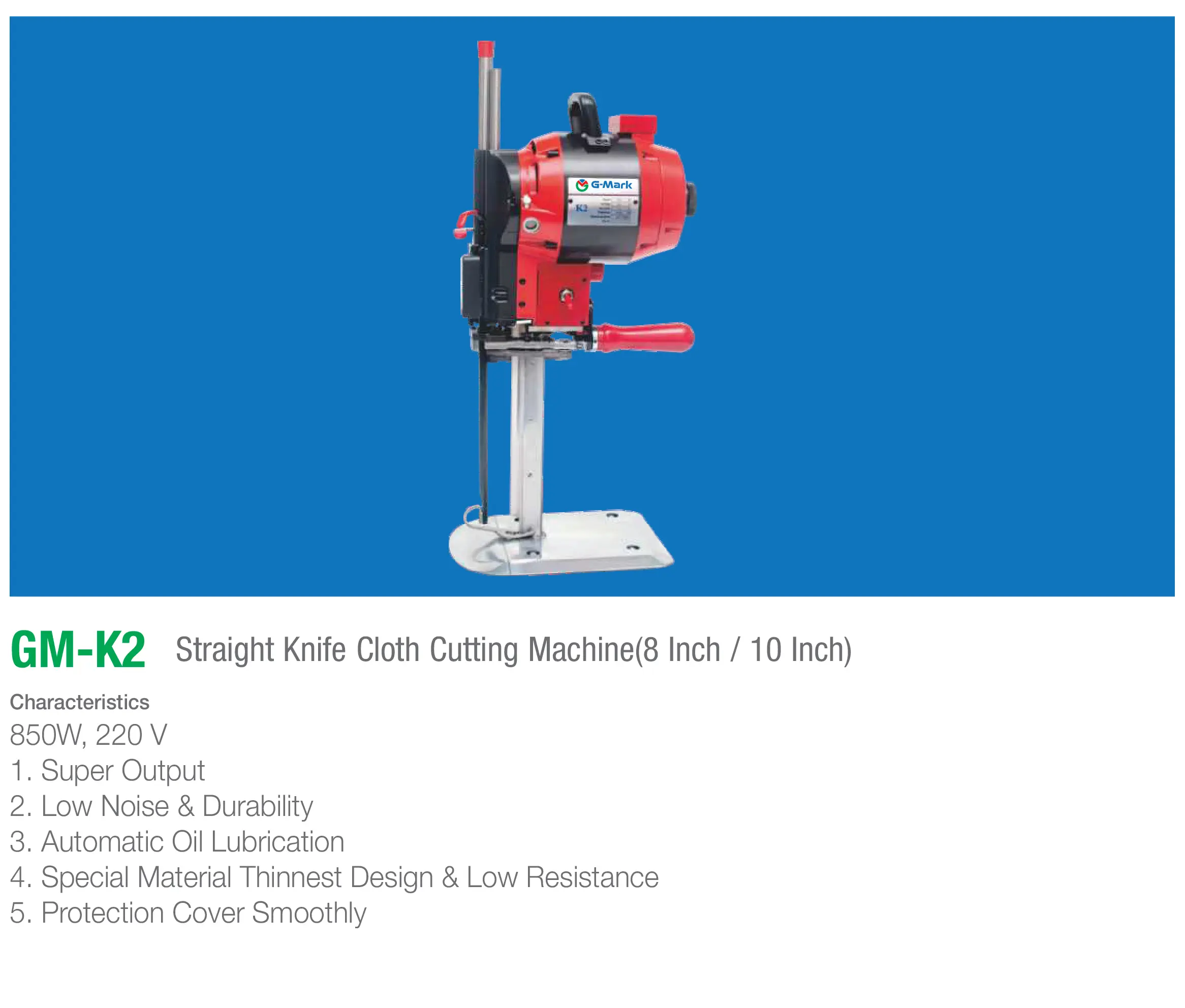
- Straight Knife Cutting Machines: 2 units
- Band Knife Cutting Machine: 1 unit (for small parts like collars)
- Fabric Spreading Tables: 2 units
- Fusing Machine: 1 unit (for collars and cuffs)
2. The Sewing Floor (100 Operators)
This is the core of your investment. A typical breakdown for woven items:
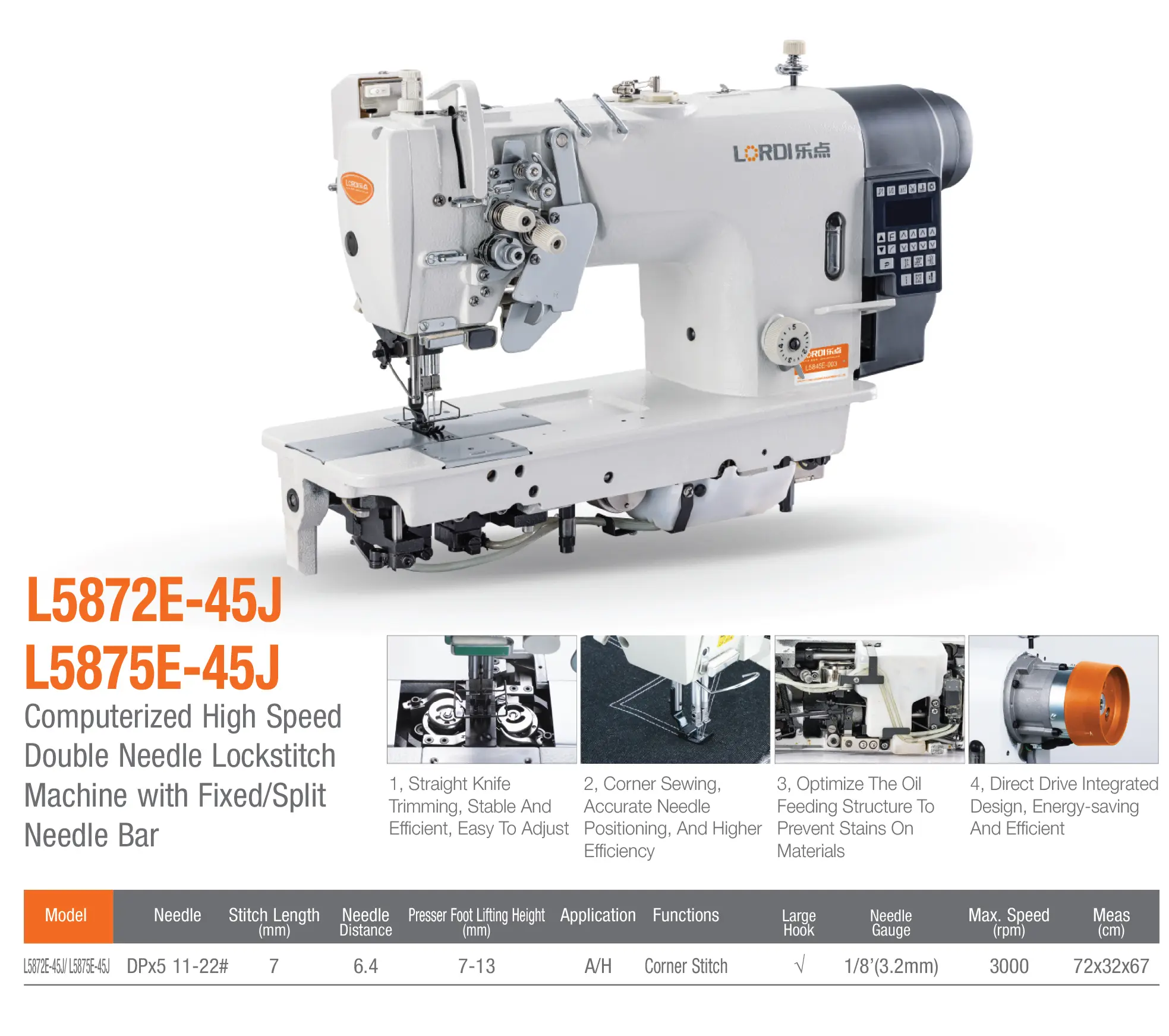
- Single Needle Lockstitch Machines: 60 units (The backbone of assembly)
- Overlock Machines (3-thread & 5-thread): 15 units (For edge finishing and side seams)
- Flatbed Interlock / Flatlock: 5 units
- Button Hole Machines: 3 units
- Button Attach Machines: 3 units
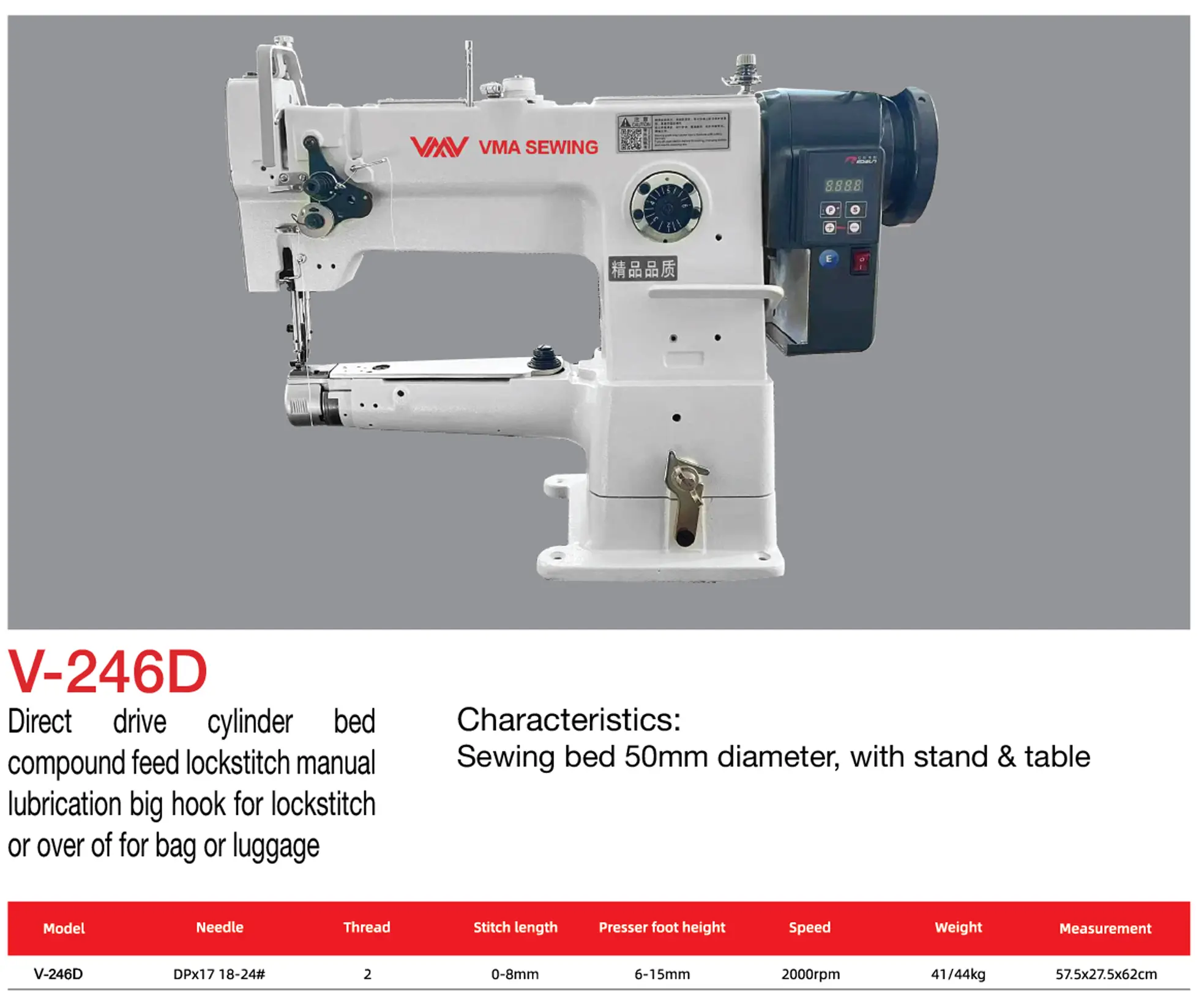
- Feed-off-the-arm (Chainstitch): 2 units (For strong inseams on trousers/denim)
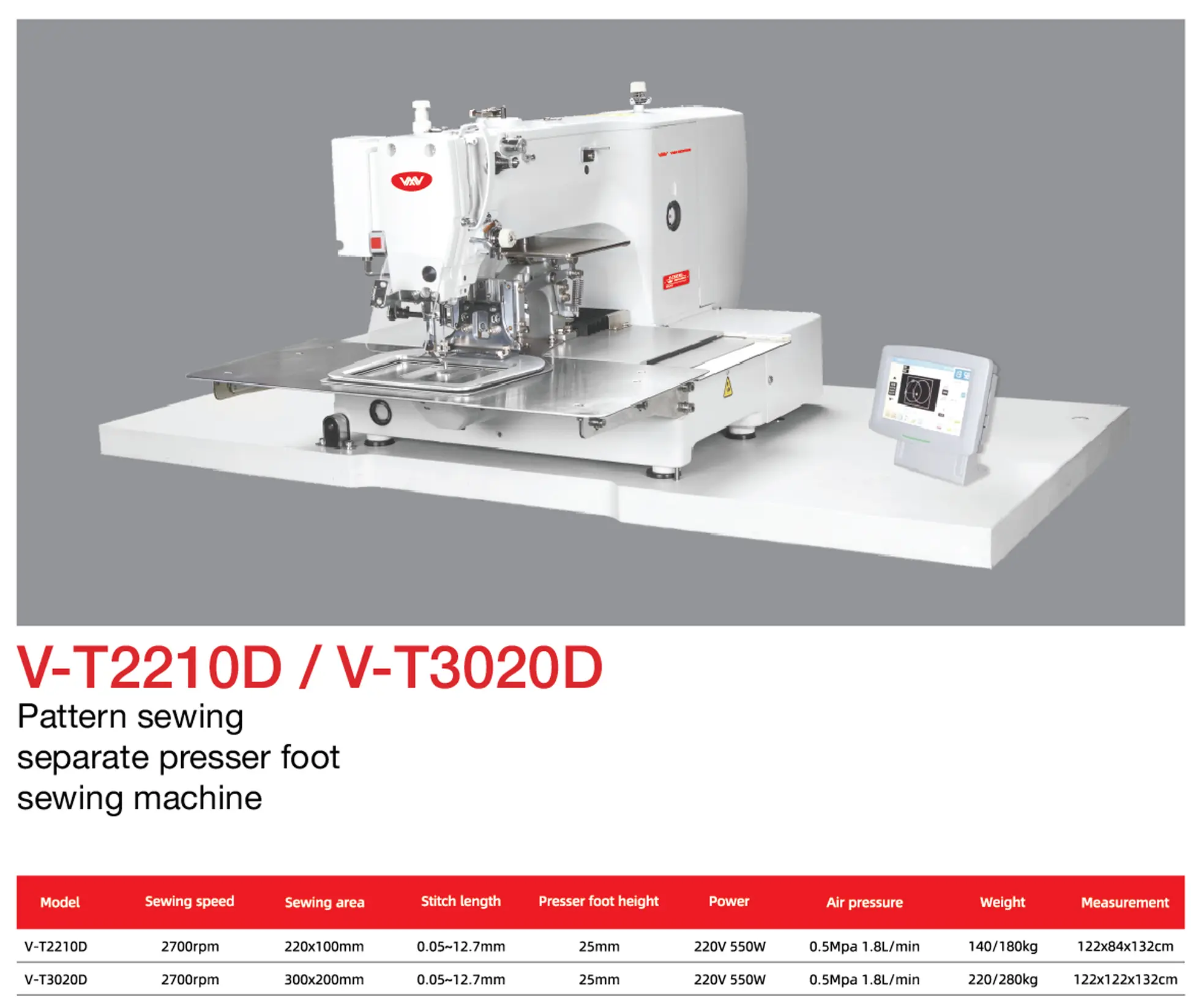
- Bartack Machines: 4 units (For reinforcing stress points like pockets)
- Snap Fastener / Rivet Attach Machines: 2 units
- Spare / Backup Machines: 6 units (Crucial to prevent line stops during breakdowns)
3. The Finishing Room
Ensuring the final product is retail-ready.
- Industrial Steam Irons with Vacuum Tables: 10 units
- Thread Sucking Machine: 1 unit
- Needle Detector Machine: 1 unit (Mandatory for compliance, especially for children's wear)
Conclusion
This list provides a solid foundation for a 100-worker woven setup. Knitwear or denim will require a slightly different machine ratio. If you need a customized layout and quotation, RMB Trading Solution offers end-to-end factory setup consultancy and machinery supply in Bangladesh.