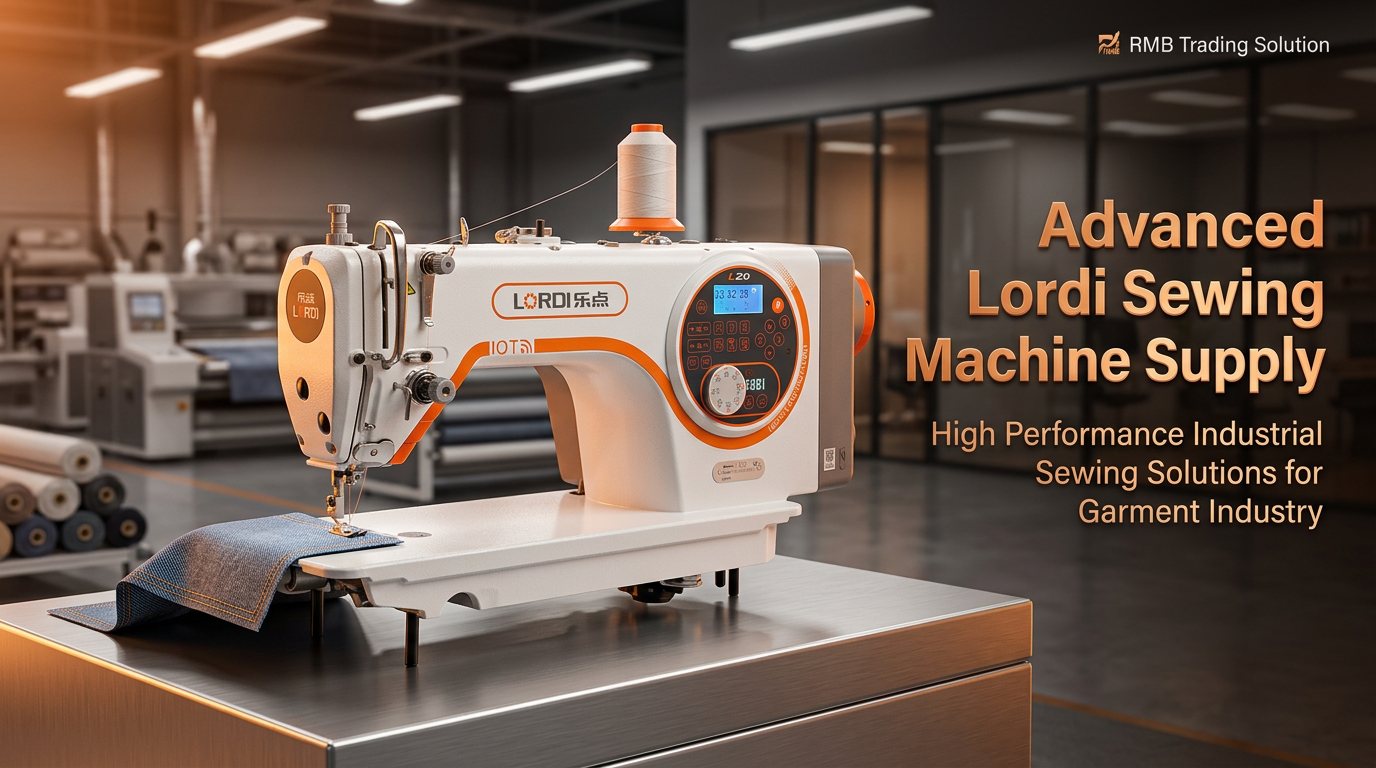
Why Maintenance Matters
In the fast-paced RMG sector of Bangladesh, production downtime is incredibly costly. A sudden machine breakdown can halt an entire production line, leading to missed shipment deadlines and financial losses. Regular maintenance is the key to preventing these unexpected failures.
1. Daily Cleaning is Essential
Lint and dust are the biggest enemies of sewing machines. As fabric passes through the machine, lint accumulates in the bobbin area and feed dogs. Operators should clean the bobbin case and feed dogs with a soft brush at the end of every shift.
2. Proper Lubrication
Industrial sewing machines operate at extremely high speeds (up to 5,000 stitches per minute). Without proper lubrication, the friction will destroy the internal components. Always use the manufacturer-recommended oil and check the oil levels daily. If the oil looks dark or cloudy, it's time for an oil change.
3. Replace Needles Regularly
A bent or blunt needle can cause skipped stitches, thread breakage, and even damage the needle plate. Needles are inexpensive???replace them regularly based on the factory's production volume, or immediately if you notice stitching defects.
4. Check Belt Tension
For machines that still use v-belts, ensure the tension is correct. A loose belt will cause the machine to slip and lose power, while a belt that is too tight will put excessive strain on the motor bearings.
5. Schedule Professional Servicing
While daily maintenance can be handled by operators, you should schedule professional servicing every 3 to 6 months. Expert technicians can identify wear and tear on timing gears and internal shafts before they cause a major breakdown.
Conclusion
Preventative maintenance saves money. By implementing a strict cleaning and lubrication routine, your factory can operate smoothly without costly interruptions.