In the highly competitive global apparel market, manufacturing efficiency is the ultimate differentiator between profitable operations and costly overheads. For garments factory owners and production managers in Bangladesh, the layout of the sewing floor dictates throughput time, labor efficiency, and overall product quality. An optimized production line layout minimizes material handling, reduces Work-in-Progress (WIP) inventory, and eliminates bottlenecks. By integrating advanced industrial sewing machinery with lean manufacturing principles, apparel units can significantly boost their Daily Output Rate (DOR) and meet tight shipping deadlines.
Understanding Modern Production Line Layouts
Selecting the right layout depends on your product mix, order volumes, and style complexity. Historically, the apparel industry relied heavily on traditional systems, but modern demands require agile setups. Here are the three most prominent layouts used today:
- Progressive Bundle System (PBS): The traditional layout where garments are moved in bundles from one operator to another. While it allows high specialization, it often results in high WIP and longer lead times.
- Unit Production System (UPS): An automated layout where individual garment pieces are transported mechanically (usually via overhead carriers) to the operator. This drastically reduces manual handling and floor clutter.
- Modular Manufacturing System (MMS): A highly flexible, cellular layout where a multi-skilled team works together to complete garments. This is ideal for high-mix, low-volume orders requiring rapid style changeovers.
Key Steps to Optimize Your Garments Production Line
To transition from a chaotic floor to a streamlined, high-efficiency production unit, manufacturers must systematically analyze and re-engineer their floor plan. Implement these technical steps for maximum throughput:
1. Conduct Rigorous Time Studies & Takt Time Alignment
Before moving any machinery, calculate the Takt Time (available production time divided by customer demand). Break down the garment construction into individual operations, measure the Standard Allowed Minutes (SAM), and balance the line to ensure no single operator becomes a bottleneck.
2. Implement U-Shaped or Modular Line Configurations
Traditional straight lines often lead to poor communication and long transport distances. U-shaped lines bring the start and end points closer together, allowing supervisors to monitor the entire process easily and enabling multi-skilled operators to assist adjacent workstations when bottlenecks occur.
3. Match Machine Capabilities to Operation Demands
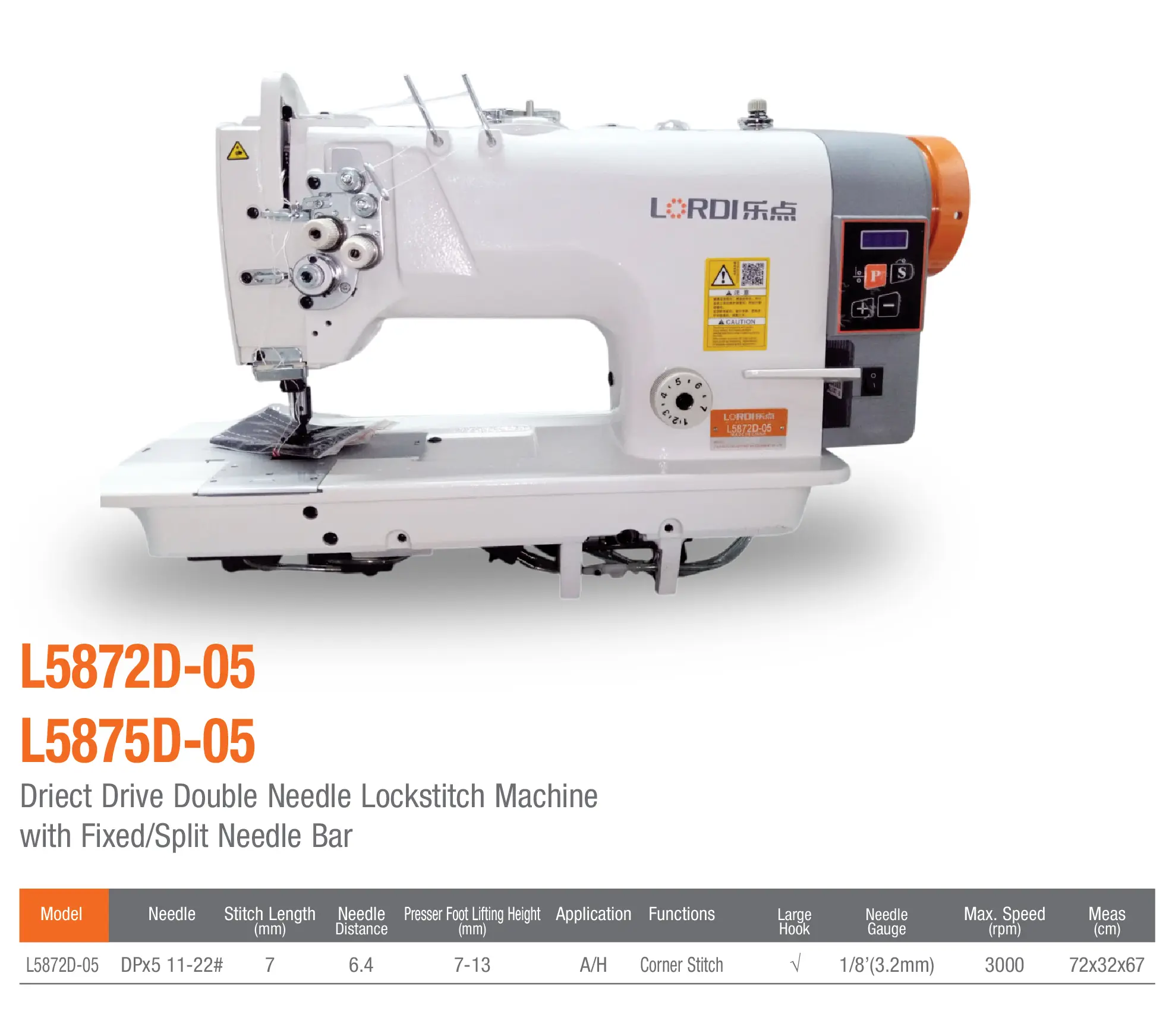
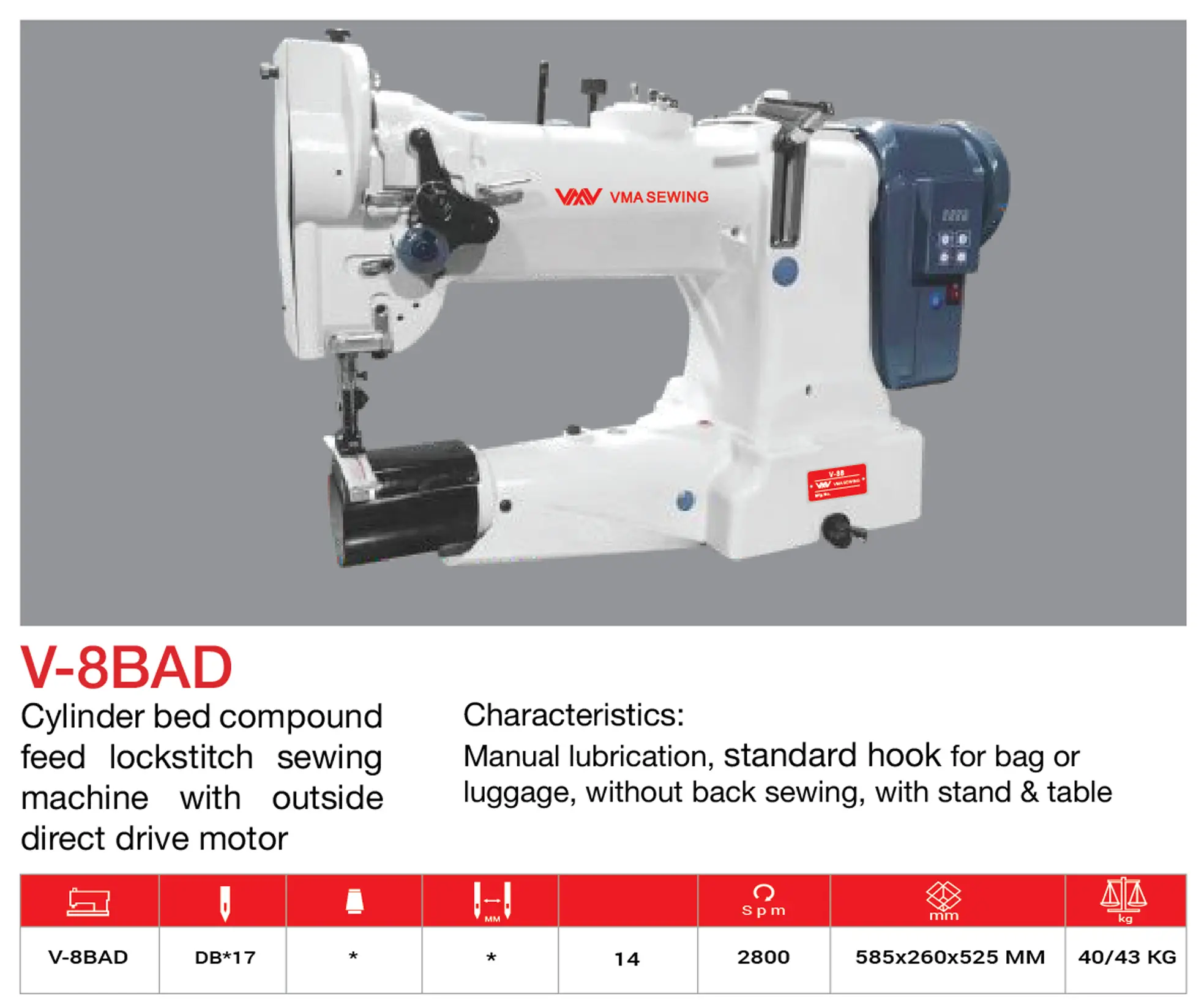
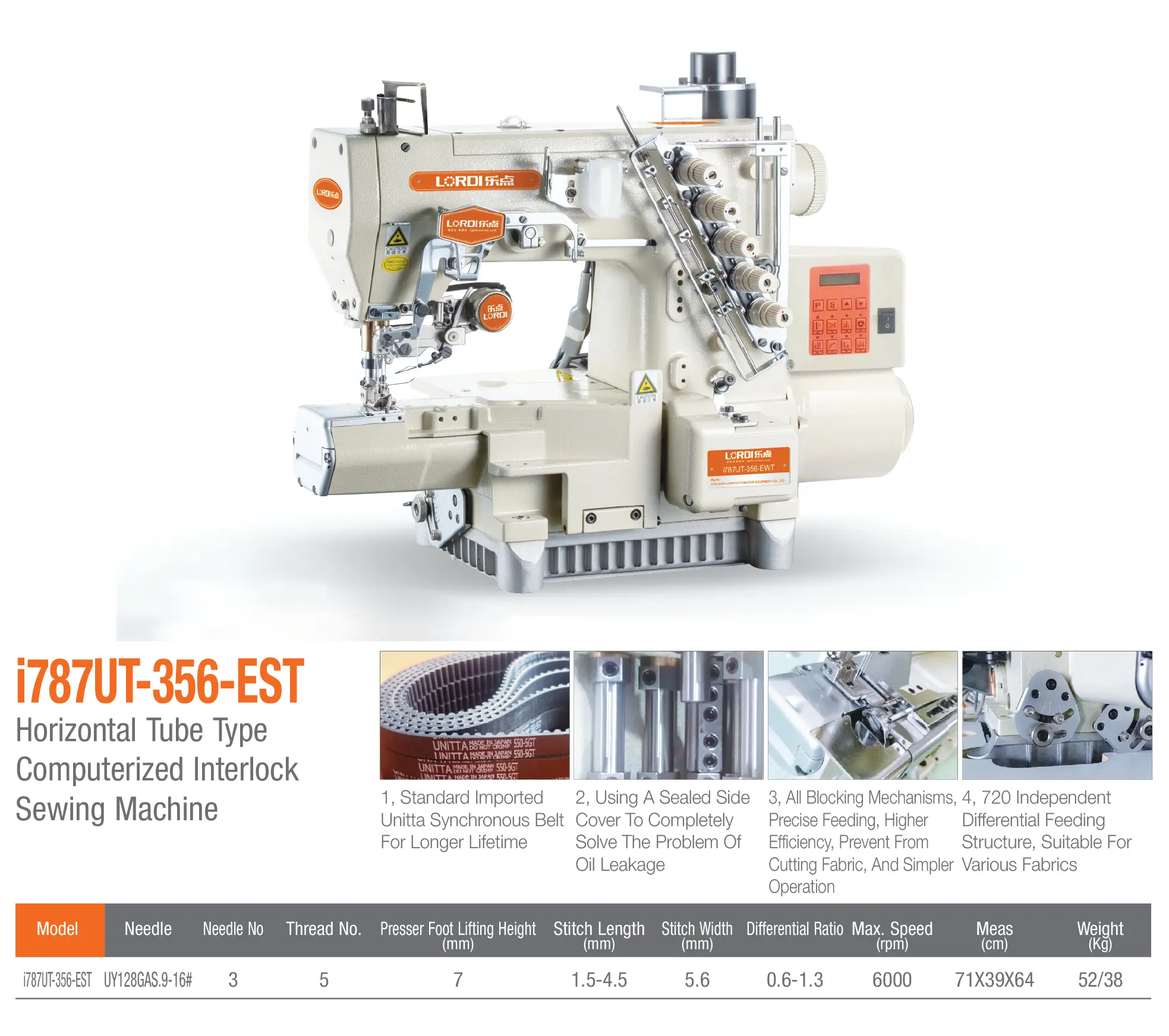
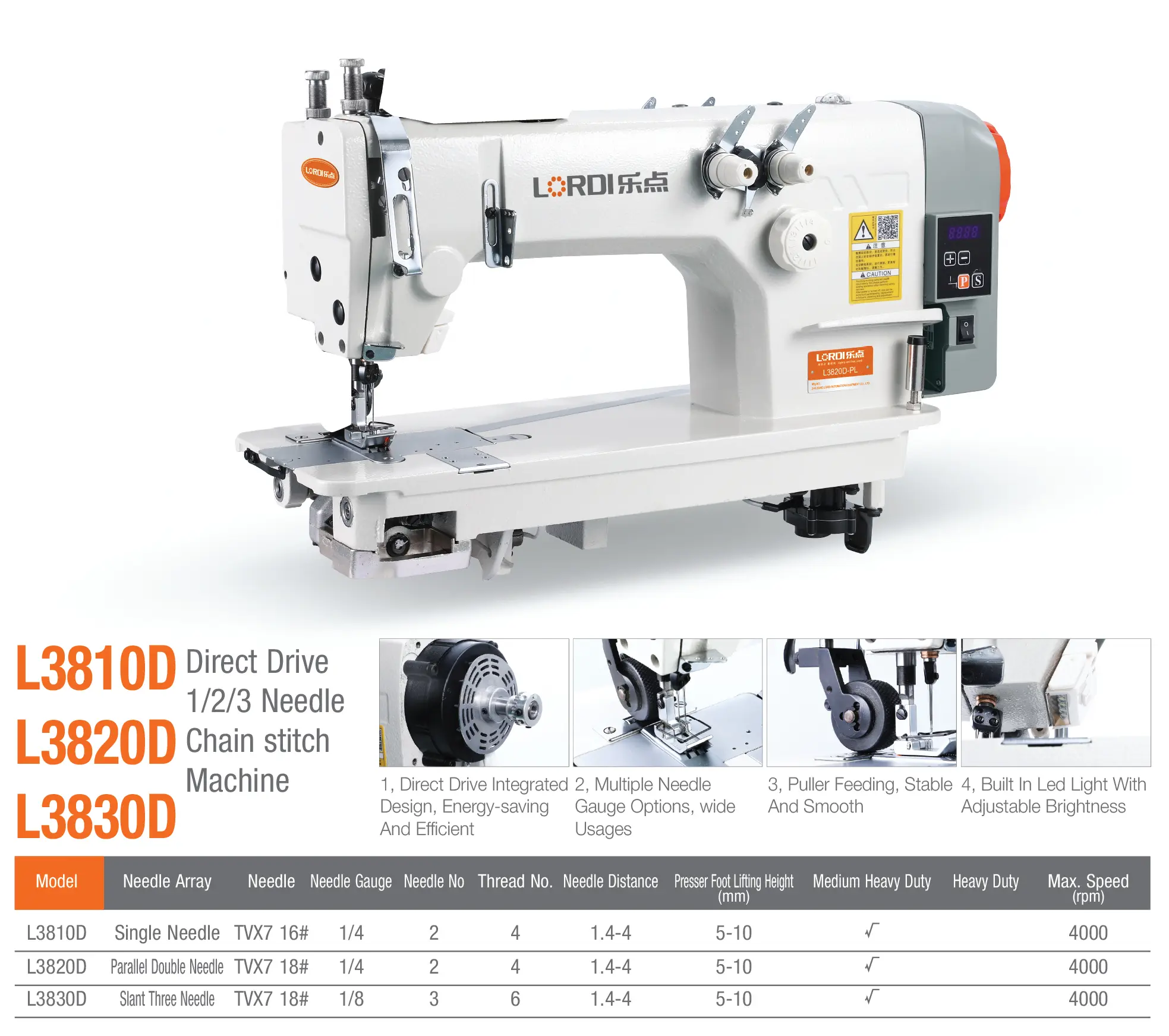
An optimized layout is only as good as the machinery powering it. Heavy-duty operations like pocket welting, waistbanding, or buttonholing require specialized, high-speed automated sewing machines. Placing state-of-the-art programmable machines at critical stages prevents accumulation of semi-finished goods.
Key Benefits of Layout Optimization
- Reduced Work-in-Progress (WIP): Seamless material flow means fewer garments sitting idle between workstations, freeing up valuable factory floor space.
- Improved Line Balancing Efficiency: Minimizes operator idle time and maximizes machine utilization rates up to 85-90%.
- Faster Throughput Time: Reduces the time it takes for a cut piece to become a fully finished, packed garment.
- Enhanced Quality Control: Shorter lines allow quality inspectors to detect defects closer to the source, preventing mass-reproduction of sewing errors.
Maintenance & Safety Tips for High-Performance Lines
An optimized layout must prioritize operator safety and machine longevity. Ensure a minimum of 3 to 4 feet of clearance in walkways to allow safe material movement and emergency evacuations. Implement a strict Preventive Maintenance (PM) schedule for all industrial sewing machines to prevent unexpected line stoppages. Well-lubricated, clean machines run cooler, use less energy, and maintain consistent stitch tension.
Furthermore, ensure that electrical conduits, pneumatic airlines, and dust extraction systems are integrated seamlessly beneath the floor or overhead to prevent tripping hazards and maintain a clean, professional working environment.
Conclusion: Optimizing your apparel production line layout is a continuous journey of improvement. However, hardware is just as critical as layout design. To achieve world-class efficiency, factories need access to reliable, high-tech machinery and rapid technical support. As the premier supplier of industrial sewing machines, cutting-edge automation solutions, and genuine spare parts in Bangladesh, RMB Trading Solution is your trusted partner. We provide the technical expertise, authentic machinery, and robust after-sales support required to transform your production floor into a highly profitable, lean manufacturing powerhouse.